
The Victims Behind Our Sporting Riches
Over 40 sports teams in New Zealand are funded through gambling profits, with many fans, and critics alike looking for an alternative and less controversial source of funds.


If you’re in Auckland, there’s a high chance that you can find a pokie machine within a few kilometres away from you.
These machines are located at casinos, pubs, bars, restaurants, hotels, the TAB, sports bars, and even bowling clubs.
Given the fact that you can find so many pokie machines at sites related to sporting activities, it’s not hard to see why there’s a relationship between these types of companies and sports clubs, as well as sports organisations.
Regardless of this however, many people still view this source of funding as a controversial source because of the damage it causes to people’s lives to receive it, and many fans, as well as critics, have called on these teams to find a different means to fund their activities.
Why Are Gambling Profits Viewed As Such A Controversial Source Of Funding?
A report from the Ministry of Health showed that the harm caused by gambling is classified as a significant social, economic, and health issue.
The report finds that around one in five people in Aotearoa will experience harm in their lifetime due to gambling, with Māori, Pacific, Asian, young people, and people on low incomes being at the highest risk.
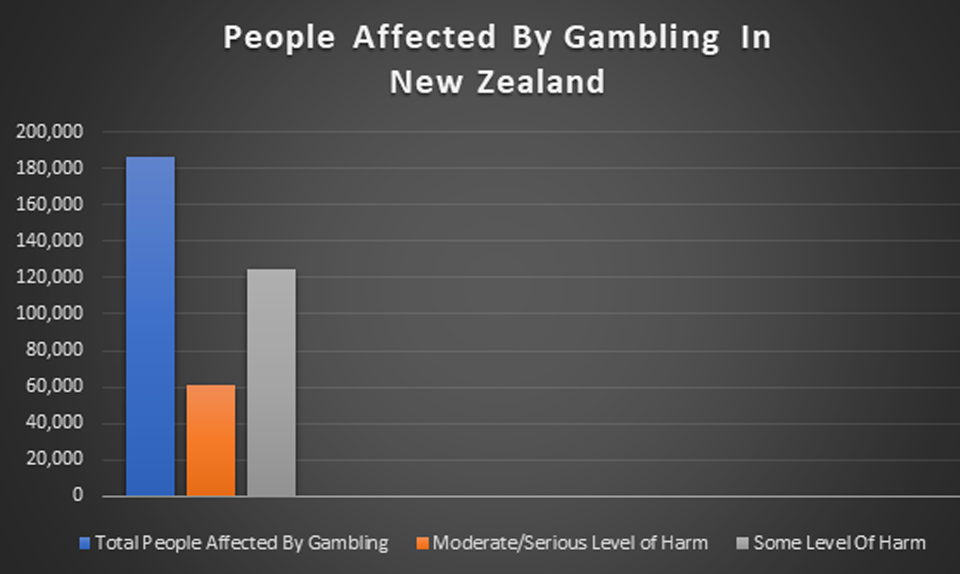
Another report found that around 186,000 people in New Zealand are personally affected by gambling harm.
Of this, 61,000 people are gambling with a moderate or more serious level of harm, while the other 125,000 people are likely to be experiencing at least some level of harm.
To put this into perspective, 61,000 people is equivalent to the population of Rotorua, whereas 125,000 people is equivalent to the population of Dunedin.


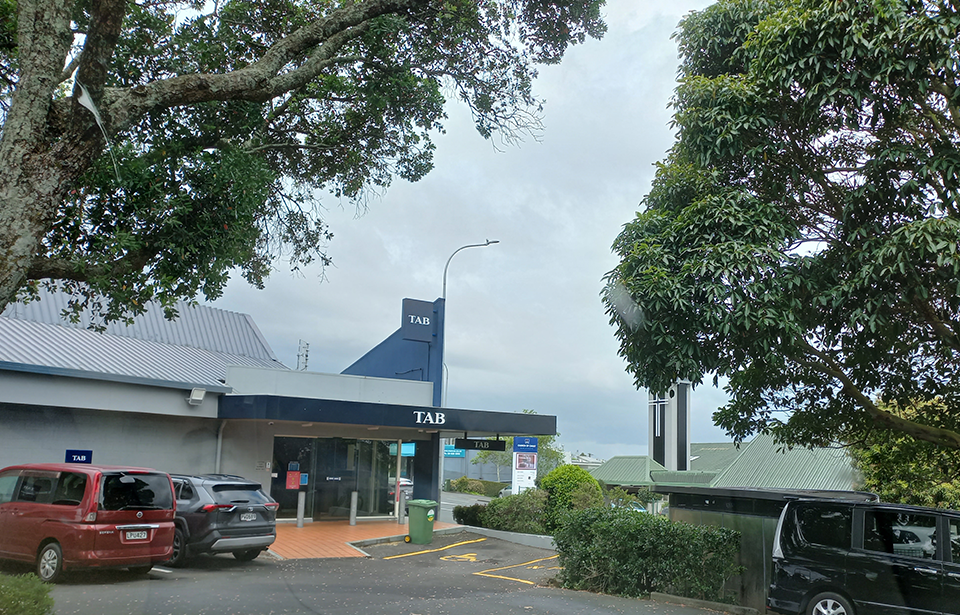
TAB LOCATED JUST OFF A MAIN ROAD IN MOUNT ROSKILL. PHOTO: Daniel Dmello
TAB LOCATED JUST OFF A MAIN ROAD IN MOUNT ROSKILL. PHOTO: Daniel Dmello
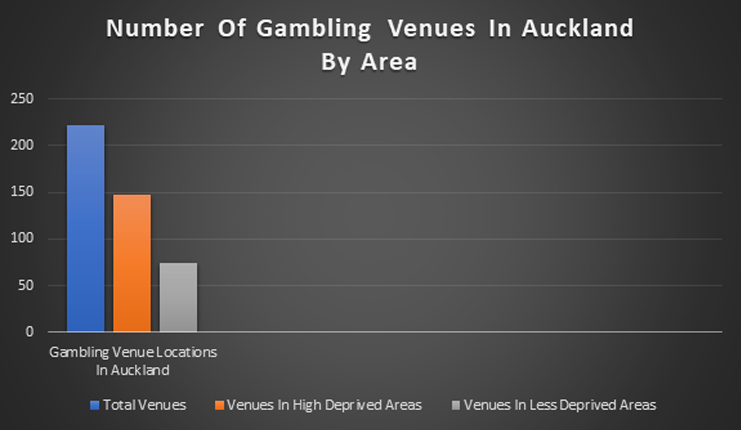
A Problem Gambling Foundation report has revealed that there are a total of 3227 Class 4 pokie machines spread across 222 venues in the city of Auckland.
The report also states that approximately $200,000,000 was lost on gambling in 2021, with the average pokie machine in Auckland City making $63,014 per year.
PGF marketing and communications director, Andree Froude, says that “gambling in New Zealand is a far more significant issue than most people seem to realize.”
Having worked with PGF for well over a decade, Froude has seen firsthand accounts of the damage caused to people who are the main providers for this source of funding, citing pokie machines as the most harmful form of gambling.
“Pokie machines are the most harmful form of gambling in New Zealand, and that’s because they are a continuous form of gambling where you push a button and get the result instantly."
"Continuous forms of gambling such as pokies or scratch tickets are considered to be much more harmful.”
Out of the 222 venues in Auckland, 148 of them are located in the most deprived Auckland communities where people who can least afford to lose money to pokies live.
“60% of these venues are located in a medium-high, or a high deprivation area in our country so that money’s coming from people who can’t afford to lose it,” Froude says.
“In our view, no amount of charity or sports makes up for the harm that these machines cause in our community,” she added.
Froude also states that a lot of these people could be using gambling as a means to escape the reality of their current situation and bring out joy from short-earned winnings.
She says “If people are doing it really tough, pokie machines are machines where you can go and completely zone out."
"Often the reason why people gamble is pure escapism.”

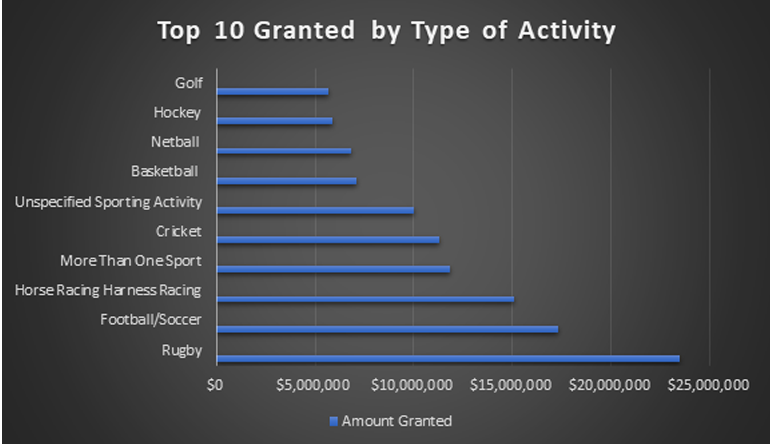
Gambling profits are responsible for funding over 40 sports teams and sports organisations in New Zealand.
The funds come from money lost by gamblers with teams and organisations from sports such as Rugby, Football, Cricket, Horse Racing, Netball, Hockey, and more bathing in the profits.
New Zealand has a rich history of funding sports teams through controversial sources such as tobacco companies, alcohol companies, and now gambling companies.
The source of funding is viewed as controversial by people from different sectors given the harm gambling causes people in New Zealand, and this also tarnishes the reputation of the different teams and leagues as a whole.
Who Are Trillian Trust?
Trillian Trust classifies itself as a not-for-profit organisation from New Zealand, that distributes grants to local community groups.
The organisation claims they are here to give back and provide successful partnerships with non-commercial organisations.
However, the money they distribute through their grants comes from gambling machines situated around New Zealand, with money that tends to cause more harm than good for a lot of the community.
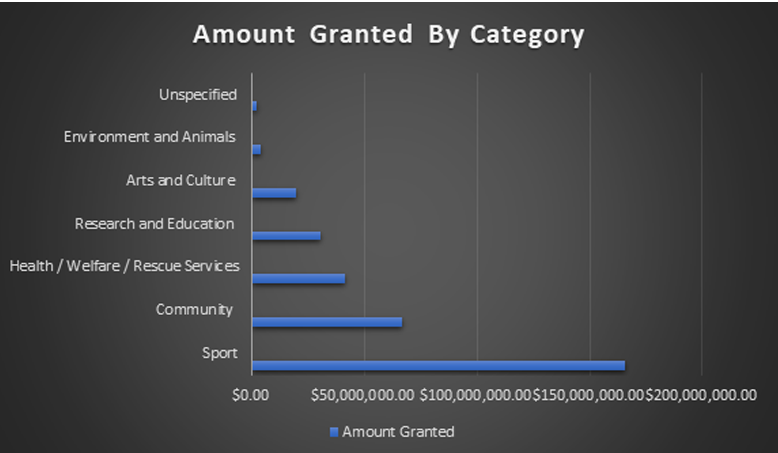
Through these grants, there are over 40 sports teams and sports organisations in New Zealand who receive funding through these grants.


What Do Governmental Organisations Do To Help Combat This Issue?
In an effort to crack down on the level of gambling in Auckland, the Auckland Council has put into place three significant rules and measures to help stop the growth of gambling sites in the city.
In addition to this, the Auckland Council has also reduced the maximum number of pokie machines a venue is allowed to have, but that hasn’t come without its negative sides.
Abbott says “Venues are now allowed a maximum of 9 gambling machines whereas up until 2001 you were allowed a total of 18.”
“But if your venue had 18 machines before 2001, you were allowed to keep those machines until your venue closed down,” he added.
Why Do Teams Use This Method Of Funding If It’s Considered So Controversial?
The damage caused by gambling has left many fans, and a general audience alike questioning why teams need to use such a controversial source of funding.
Experts on this topic have attributed issues such as the Government's unwillingness to fund amateur sports, and a lack of sponsorships as an answer to this question.
UNITEC Sports Marketing lecturer, Khaled Ibrahim, backed up some of these reasons as to why sports teams use gambling profits as a means to support their ventures.
“There is not enough funding around, so whoever can offer funds at this time is what sports teams are looking for."
"There is no Government fund or the Government funds get sent into one particular sport like rugby,” he says.
AUT Sports Leadership and Management lecturer, Dr. Michael Naylor, agreed with Ibrahim on this issue.
“Most don’t connect the receipt of money to where it has come from. Sports organisations are just happy to receive whatever they can get”, he said.
Andree Froude from PGF also sympathised with some of the teams who receive funding from this source, describing the whole issue as an ethical dilemma.
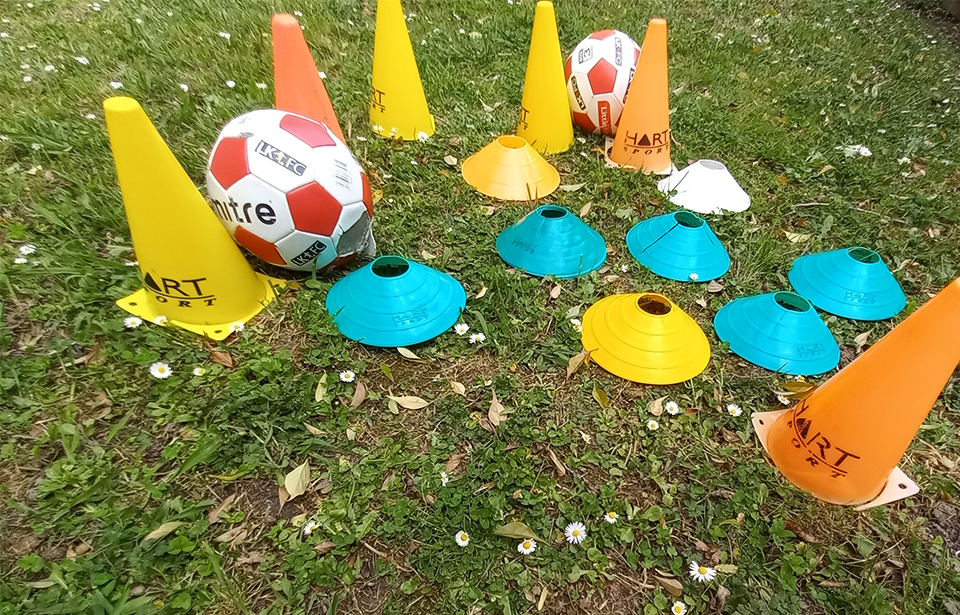
SPORTS GEAR SETUP FOR TRAINING. PHOTO: Daniel Dmello
SPORTS GEAR SETUP FOR TRAINING. PHOTO: Daniel Dmello
Do Fans Know About This Source Of Funding?
This topic has been brought to light by many fans of teams who either receive funding from this source or teams who compete in the same league as those receiving funding.
There have been countless debates on sites such as X, Reddit, and Facebook, as well as public debates between fans.
National League fan, Ethan, used to previously work at a club that received funding from this source, and he says the general consensus is that most fans know about this topic because of the funding Auckland City FC receives.
“A lot of the fans are now becoming more aware of this issue, especially after the records were received recently about Trillian Trust and Auckland City FC’s connection,” he says.
Ethan also believes that in certain competitions such as the National League, there’s a general feeling amongst fans that certain clubs are gaining an unfair advantage from this funding system.
“I feel like all the big boys in the National League, and others in the regional competitions gain an unfair advantage over other clubs,” he said.
“Lots of young players, or even senior players end moving clubs because the former club doesn’t have enough money to fund new kits, facilities, travel, club events, etc,” he added.
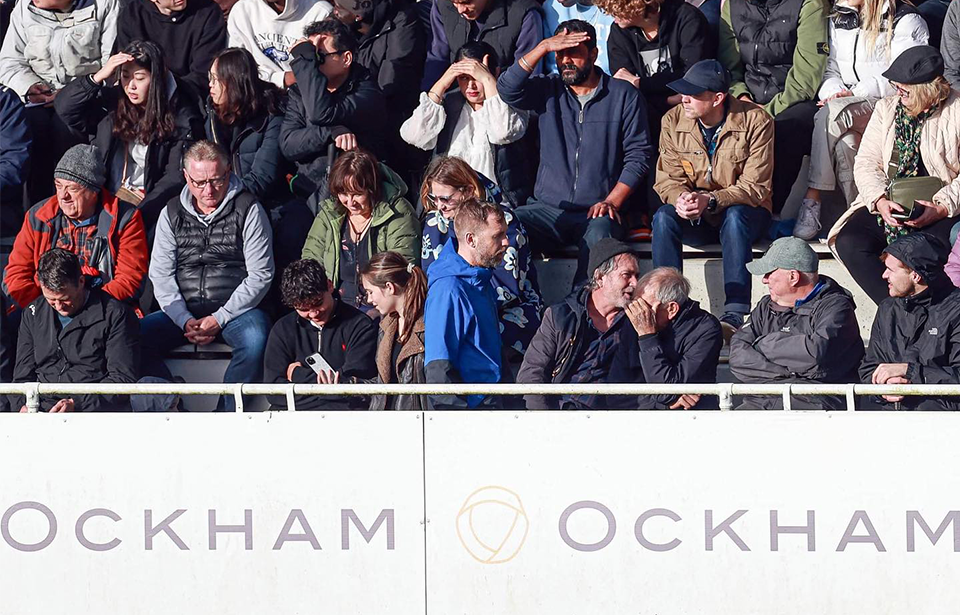
FANS PACK OUT AUCKLAND CITY FC STADIUM ON MATCHDAY. PHOTO: Supplied
FANS PACK OUT AUCKLAND CITY FC STADIUM ON MATCHDAY. PHOTO: Supplied
What Are The Alternative Solutions To This Method Of Funding?
Having personally experienced a similar situation, Ibrahim also looked back to his experiences when offering up solutions that could help get the club's people involved in the funding.
“You also have companies who could save up and do some funding, or the club could do some crowdsourcing funds and fans could crowdsource funds for teams.”
However, Dr Naylor states that clubs could also raise their costs as a means to get that extra amount of funding into their teams.
“Community clubs can seek sponsorship or charge higher fees of their participants,” he said.
Would Fans Support These Ideas?
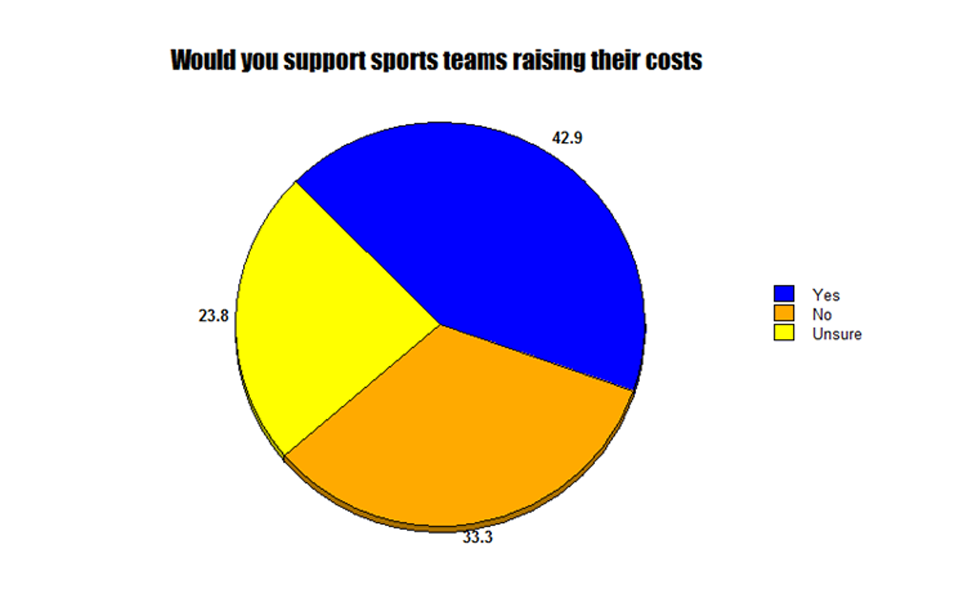
While a lot of fans do believe in Ibrahim’s idea of seeking more sponsorships that are beneficial to the community, a lot are against the idea of raising club costs.
When asked if they’d support a raise in costs for club memberships and ticket prices, only 42.8% of all participants said yes to the question.
Ryan acted as a spokesperson on behalf of many football fans, and he tried to give some reasonings as to why this idea might not be as supported.
“I agree to some extent with what is being said, yes teams can try to up their admin fees and kit fees, or maybe even charge a gate fee or add more to player subscriptions, but this will never close the gap or replace the funding that those teams get from gambling companies and other big grants,” Ethan says.
“It always gets questioned by club members why the fees are going up or why is there a gate charge at games, and you don’t want to lose members because they are a big part of your club's stability.”
“So overall, it’s a hard balance. Yes you could raise prices but it will not replace the big money, and it could turn out to be a bigger risk than you originally wanted,” he added.
Having worked with many victims of gambling harm, Andree Froude tried help convince fans to support a potential raise in prices, looking back at her personal experiences to help the cause.

GAMBLER USES TAB WEBSITE TO PLACE BETS. PHOTO: Daniel Dmello
GAMBLER USES TAB WEBSITE TO PLACE BETS. PHOTO: Daniel Dmello
Sports teams in New Zealand receiving funding from sources considered controversial by various people is something that has been going on for a long time.
Sports teams have previously received funding from sources such as tobacco company profits, alcohol company profits, and now it’s moved on to gambling company profits.
In all these scenarios, the issue was called out by fans and eventually swept under the rug by bringing in a new source who tries to show they’re doing good for the community.
This time, however, there seems to be a change in the issue with the various solutions being offered.
Solutions such as a raise in ticket and club prices from Dr. Naylor may not have the full backing of fans, but there seems to be a good level of support for ideas such as crowdsourcing funds, and seeking sponsorships that are beneficial to local businesses and organisations.
Over the past few years with the Covid19 pandemic, there have been a lot of local businesses and organisations that suffered the consequences of people not going out and buying their products as much. Advertising these businesses and organisations through sports teams could help fix not just the funding issue, but also help out many local businesses who need it.
The efforts of the Auckland Council, as well as the Problem Gambling Foundation are also helping ensure that gambling won’t be able to provide the same support in funds as it currently does.
In addition to this, messages from people such as Andree Froude will help convince people to take the issue of gambling more seriously, while services such as PGF are making a massive difference in the world of gambling harm.
Regardless of this, however, it remains to be seen whether teams look at these alternative sources of funding down the line, or whether they stick with the gambling funds for now.
 Built with Shorthand